
By Vista Furniture Co.
Global furniture sourcing is changing.
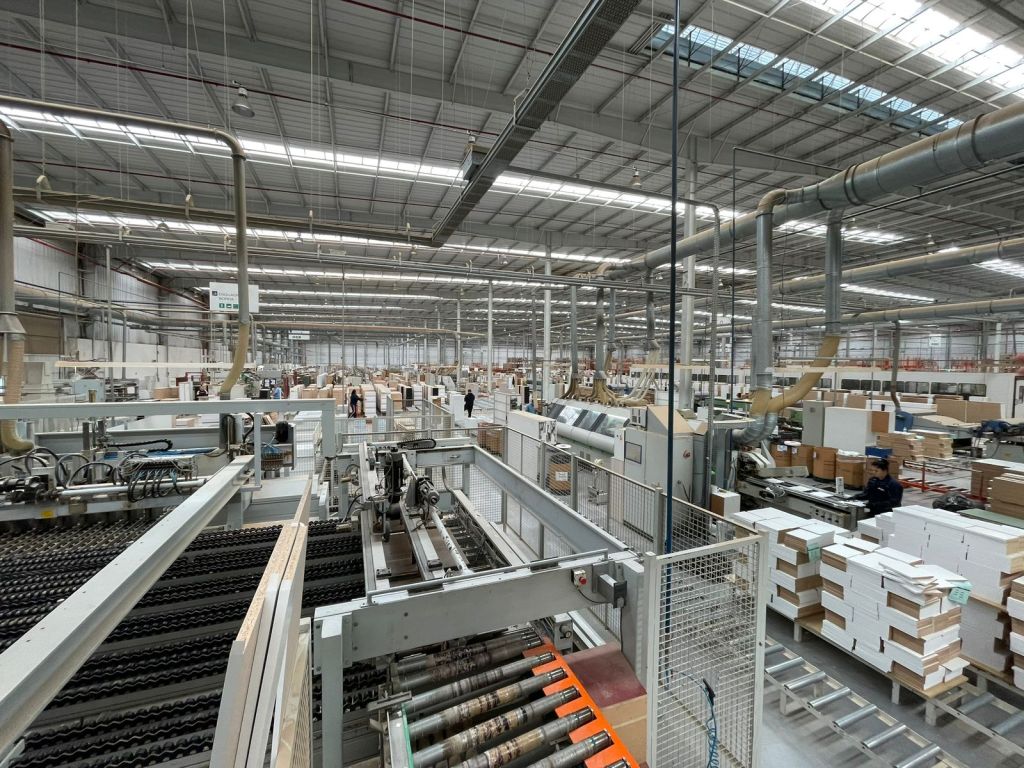
For decades, many wholesale furniture buyers concentrated their manufacturing operations almost exclusively in Asia. While countries like China and Vietnam remain important manufacturing hubs, international retailers, marketplaces, and furniture brands are increasingly exploring alternative production ecosystems.
Brazil is emerging as one of those opportunities.
At Vista Furniture Co., we help global retailers connect with Brazilian manufacturers capable of producing furniture collections aligned with international standards, operational requirements, and modern retail expectations.
For wholesale buyers looking to diversify supply chains, develop differentiated assortments, or reduce sourcing concentration risk, Brazilian furniture manufacturing deserves serious consideration.
This guide explains how wholesale buyers can identify Brazilian furniture manufacturers, evaluate suppliers, understand regional production capabilities, and build successful sourcing operations in Brazil.
Why Global Wholesale Buyers Are Looking at Brazil
Brazil possesses one of the world’s largest furniture industries.
The country combines:
• Large industrial manufacturing capacity
• Strong woodworking expertise
• Sophisticated upholstery capabilities
• Design-oriented product development
• Growing export maturity
• Competitive production economics in selected categories
Brazilian manufacturers today serve domestic demand while increasingly exporting furniture to North America, Latin America, Europe, and selected global markets.
For wholesale buyers, this creates a compelling opportunity.
Key advantages include:
1. Strong Design Identity
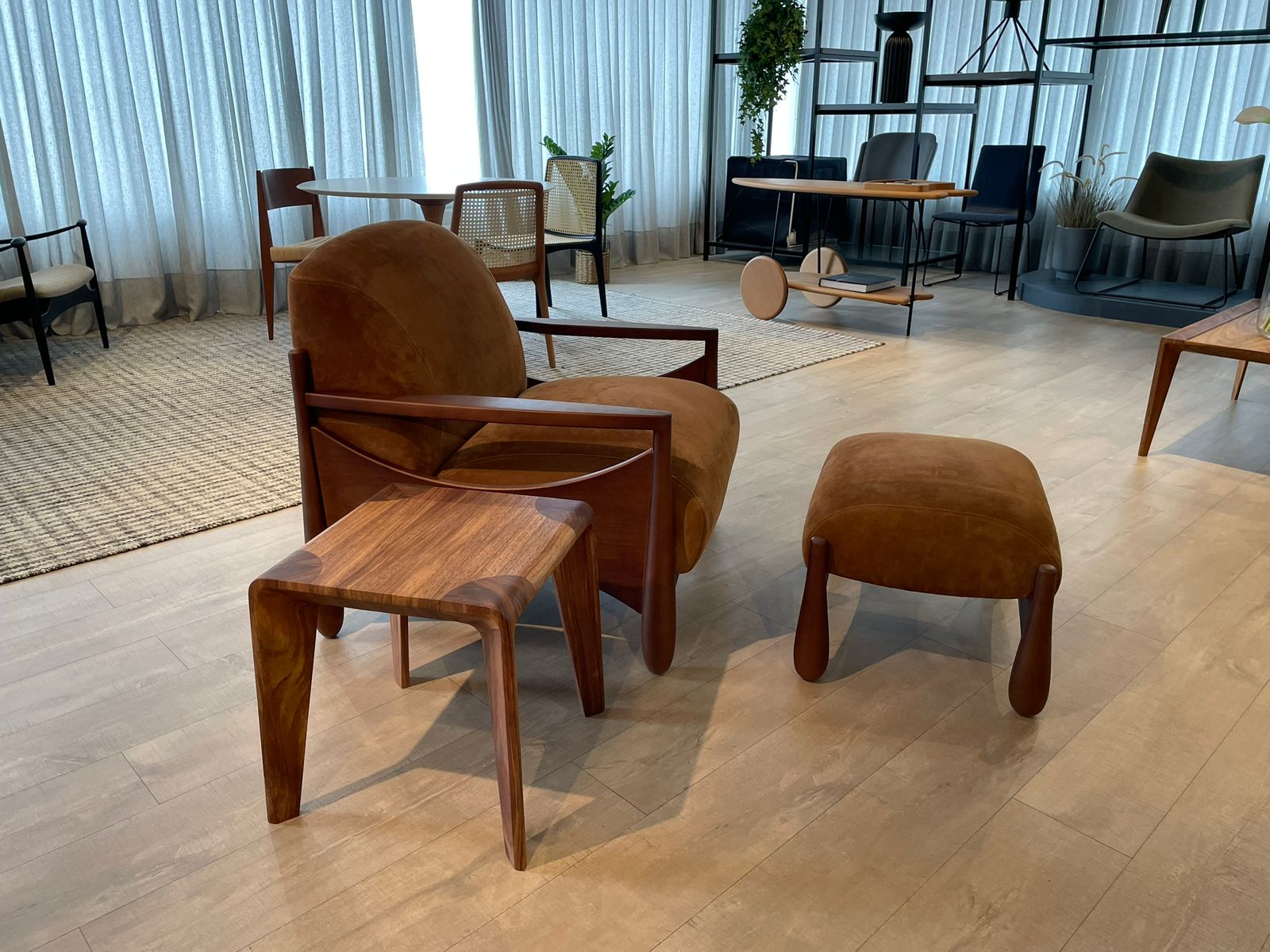
Brazilian furniture often combines:
• Contemporary aesthetics
• Natural materials
• Soft modern design language
• Strong woodworking traditions
• International appeal
Many global retailers increasingly value products that do not feel overly commoditized.
Brazil offers opportunities to develop collections with stronger identity.
2. Manufacturing Diversity
Brazilian furniture manufacturing spans multiple categories:
Indoor furniture
• Sofas
• Dining tables
• Chairs
• Coffee tables
• Beds
• Storage units
• TV stands
• Home office furniture
• Sideboards
Outdoor furniture
• Aluminum collections
• Rope furniture
• Outdoor upholstery
• Teak alternatives
• Poolside furniture
Commercial furniture
• Hospitality projects
• Restaurant furniture
• Office furniture
• Retail fixtures
• Custom projects
3. Supply Chain Diversification
Many international buyers learned important lessons during global logistics disruptions.
Concentrating production in a single geography creates risk.
Wholesale buyers increasingly seek:
• Regional diversification
• Secondary supplier ecosystems
• Reduced geopolitical concentration
Brazil becomes relevant within this strategy.
Main Furniture Manufacturing Regions in Brazil
Understanding geography matters.
Brazilian furniture production is concentrated in industrial clusters.
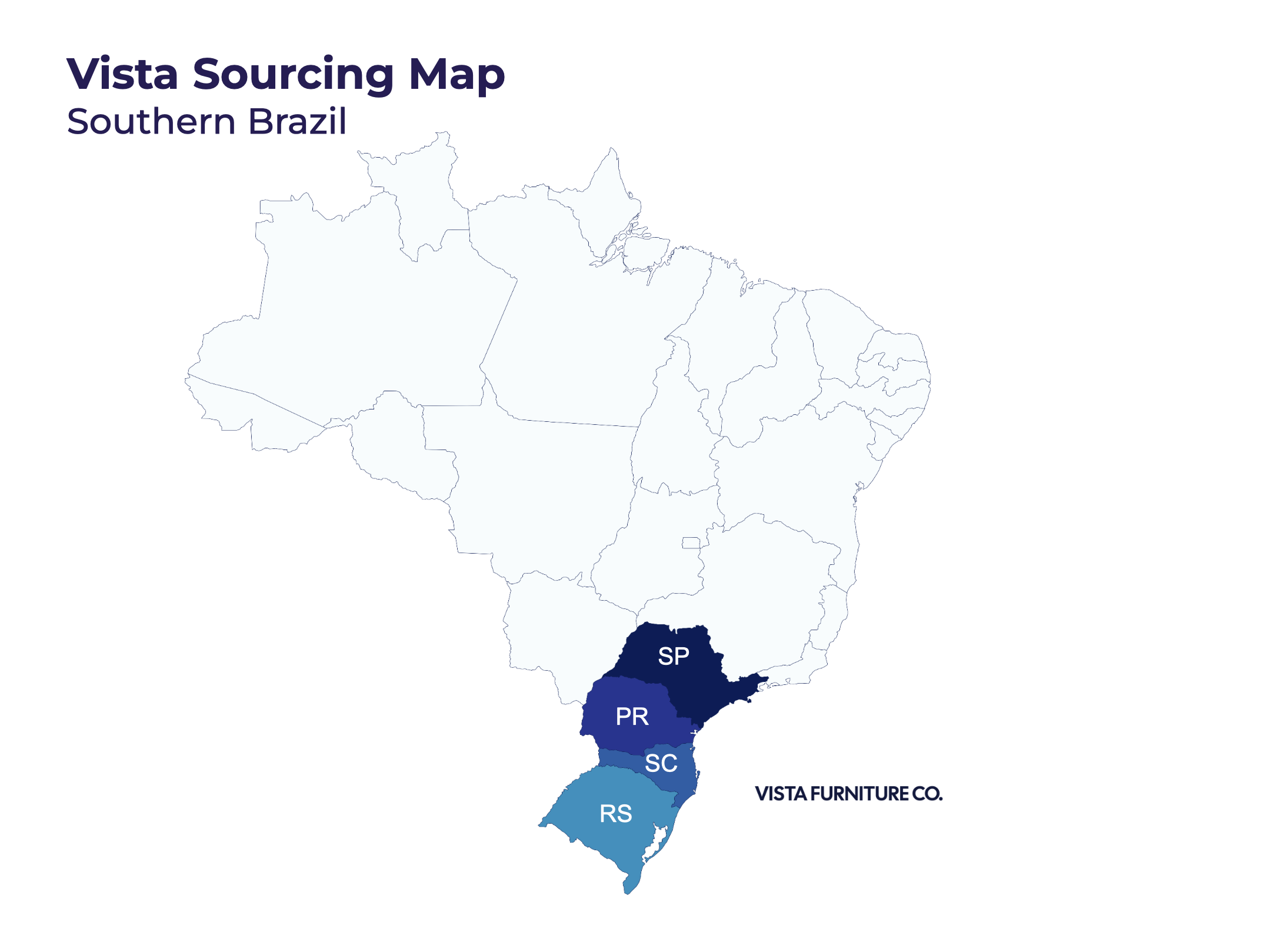
Southern Brazil
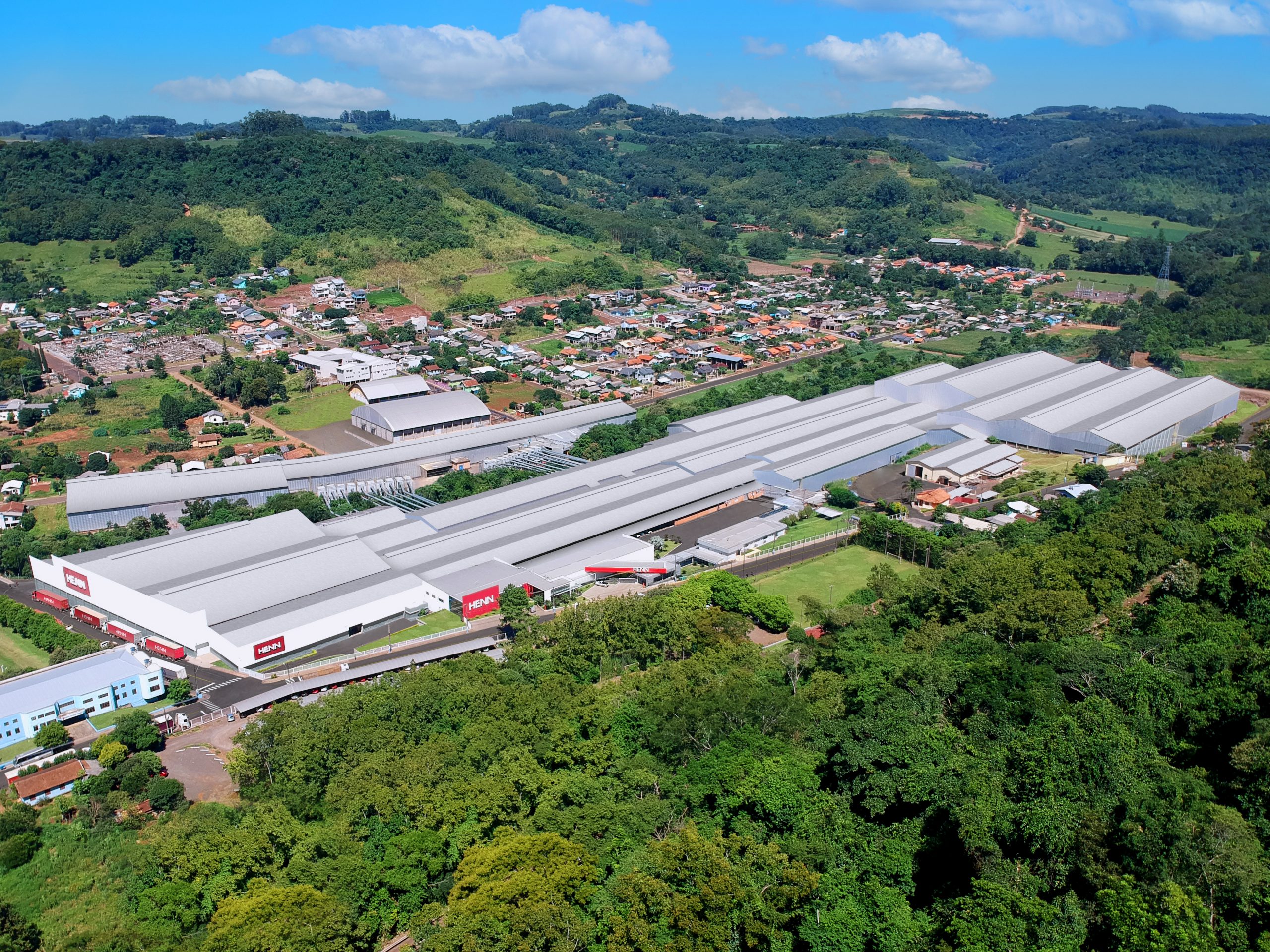
Southern Brazil represents one of the country’s strongest manufacturing ecosystems.
Particularly:
Rio Grande do Sul
Known for:
• Upholstery manufacturing
• Dining furniture
• Bedroom furniture
• Export-oriented operations
• Large-scale industrial production
The Bento Gonçalves region has become especially relevant.
Santa Catarina
Strong capabilities include:
• MDF furniture
• Flat-pack furniture
• Home office products
• Modular furniture
• High production efficiency
Paraná
Important categories:
• Solid wood furniture
• Upholstered products
• Export-ready factories
São Paulo
Strengths:
• Design-oriented manufacturing
• Premium furniture
• Product development
• Specialized suppliers
What Wholesale Buyers Should Evaluate Before Choosing Brazilian Furniture Manufacturers
Finding factories is only step one.
Supplier qualification determines sourcing success.
Professional buyers typically evaluate:
Export Experience
Not every manufacturer prepared for domestic retail is ready for export.
Evaluate:
• Export history
• Existing international customers
• Packaging standards
• Documentation processes
• Compliance capability
• Production consistency
Factories with export maturity usually reduce operational friction.
Production Capacity
Questions buyers should ask:
• Monthly production volume
• Peak season capability
• Lead times
• MOQ flexibility
• Expansion capacity
Capacity alignment matters more than simply choosing the biggest supplier.
Quality Systems
Quality evaluation should include:
• Incoming material inspection
• Process quality control
• Final inspection procedures
• Packaging testing standards
• Supplier traceability systems
Wholesale furniture sourcing depends heavily on consistency.
Packaging Capability
Packaging becomes critical for wholesale programs.
International retail requires products capable of surviving container transportation and final-mile delivery requirements. Packaging standards increasingly influence sourcing success.
Buyers should evaluate:
• Drop resistance
• Carton specifications
• Corner protection systems
• Labeling capability
• Barcode requirements
• Instruction manual localization
Furniture Categories That Usually Work Well for First Orders
For wholesale buyers entering Brazil, certain categories often present lower operational complexity.
Examples:
Chairs and Armchairs
Advantages:
• Lower packaging complexity
• Easier quality evaluation
• Strong Brazilian manufacturing base
Coffee Tables
Benefits:
• Lower upholstery risk
• Reduced return complexity
• Good scalability
Storage Furniture
Advantages:
• Efficient container utilization
• Large production capacity
Home Office Furniture
Brazil has developed increasingly competitive manufacturing capability in:
• Desks
• Shelving
• Storage systems
• Compact workstations
OEM and Private Label Opportunities
Many wholesale buyers are not simply purchasing finished products.
Increasingly they seek:
OEM Manufacturing
Brazilian factories increasingly support:
• Product adaptation
• Dimension changes
• Finish modifications
• Material customization
Private Label Development
Retailers often seek:
• Exclusive collections
• Brand-specific products
• Packaging customization
• Manual customization
• Market positioning differentiation
This creates opportunities beyond catalog sourcing.
Logistics Considerations for Wholesale Buyers
Furniture sourcing success depends on logistics planning.
Important considerations include:
Container Optimization
Furniture categories vary dramatically in shipping efficiency.
Buyers should evaluate:
• Cube optimization
• Flat-pack opportunities
• Packaging engineering
• Container loading efficiency
Documentation
Export operations typically involve:
• Commercial invoices
• Packing lists
• Product compliance documentation
• Customs requirements
Labeling Standards
Destination markets often require specific compliance standards.
Examples include:
• Importer information
• Country of origin
• Product traceability
• Warning labels
• Barcode systems
International retailers increasingly require standardized packaging and documentation processes from suppliers.
Common Mistakes Wholesale Buyers Make
Choosing Only Based on Price
Lowest cost rarely equals lowest operational risk.
Buyers should evaluate:
• Quality consistency
• Lead times
• Communication quality
• Packaging capability
• Long-term partnership potential
Ignoring Export Readiness
Factories can build excellent products while lacking export systems.
Operational readiness matters.
Underestimating Product Development
Furniture sourcing frequently requires:
• Prototypes
• Engineering refinement
• Packaging adjustments
• Material optimization
Skipping Factory Validation
Professional wholesale buyers increasingly prioritize:
• Factory visits
• Production audits
• Process visibility
• Supplier qualification
How Global Retailers Build Strong Furniture Programs in Brazil
The strongest sourcing programs typically combine:
Step 1
Supplier identification
Step 2
Supplier qualification
Step 3
Sample development
Step 4
Packaging validation
Step 5
Production alignment
Step 6
Quality systems implementation
Step 7
Export execution
Furniture sourcing succeeds through systems rather than individual transactions.
Why Brazil Is Becoming Increasingly Relevant for Wholesale Furniture Buyers
Global furniture sourcing continues evolving.
Brazil increasingly participates in this transformation.
The combination of industrial capability, manufacturing expertise, design culture, and growing export maturity creates meaningful opportunities for wholesale buyers seeking diversification and product differentiation.
Success depends on choosing the right manufacturing partners and building sourcing processes designed for long-term scalability.
Wholesale buyers entering Brazil strategically today may position themselves advantageously for future growth.
At Vista Furniture Co., we connect global retailers, marketplaces, and furniture brands with qualified Brazilian manufacturers. We support supplier qualification, factory matchmaking, product development, export preparation, quality control, and sourcing execution designed for international retail operations.
Explore opportunities in Brazilian furniture manufacturing:
Follow Vista Furniture Co. on LinkedIn:
https://www.linkedin.com/company/vista-furniture-co
Instagram:
Email:

 Brazilian Furniture Sourcing Hub
Leave a comment